Let’s break down what artificial intelligence really means. At its core, artificial intelligence (AI) is about creating machines that can perform tasks that typically need human intelligence. This includes things like recognizing speech, making decisions, and solving problems. Think of it as teaching computers to think and learn just like we do.
When wondering what is artificial intelligence, keep in mind that it comes in many forms. There’s narrow AI, which is designed to do a specific task, like playing chess or recommending movies. Then there’s general AI, which is more like a human brain, capable of understanding and reasoning across various topics. We’re still working toward that level of AI, but narrow AI shows up in our lives every day!
Over the past couple of years, something strange has happened. People who never cared about computers are suddenly talking about artificial intelligence. Coworkers are mentioning ChatGPT. Banks are using automated systems. Even phones now write messages for you.
And for a lot of adults, the feeling isn’t excitement — it’s confusion.
You keep hearing that AI is going to change everything, but nobody actually explains what it is. Most explanations sound technical, full of words like algorithms, neural networks, and machine learning. After about two minutes, people stop listening and just assume it’s something only programmers understand.
The truth is much simpler.
Artificial intelligence isn’t a robot brain and it isn’t a science fiction machine taking over the world. AI is a computer system trained to recognize patterns and produce useful responses. Instead of thinking like a human, it predicts. It studies huge amounts of examples and learns what usually comes next — the next word, the next image, the next decision, or the next recommendation.
That’s why your email filters spam, why Netflix suggests shows, and why ChatGPT can answer questions. It isn’t “thinking.” It’s extremely good at educated guessing.
Once you understand that single idea, AI stops being mysterious and starts becoming practical.
How AI Works in Everyday Life
When you hear the phrase "what is artificial intelligence," it might sound complex, but it’s really just a way of describing how machines learn from data and make decisions. AI is everywhere in our daily lives, helping us in ways we might not even notice. From the moment you wake up and ask your smart speaker for the weather to when you scroll through social media, AI is working behind the scenes.
Consider how your favorite streaming service suggests movies or shows. Ever wonder how it knows what you might like? That's AI analyzing your viewing habits and figuring out patterns. It's not magic, just algorithms at work! This kind of recommendation system is super handy, saving you time when you can't decide what to watch next.
AI also plays a big role in making our shopping experiences smoother. When you visit an online store, AI keeps track of what you browse, suggesting items that are similar or items you might have missed. This personalization feels like having a helpful friend guiding you through the shopping maze. You get tailored offers and suggestions without having to dig around for them.
Don’t forget about AI in customer service. Chatbots are popping up all over the place to assist with questions and issues. They can quickly provide answers you need or direct you to a real person if things get tricky. This means less waiting around for help and more efficient solutions to your problems.
Examples of AI Around Us
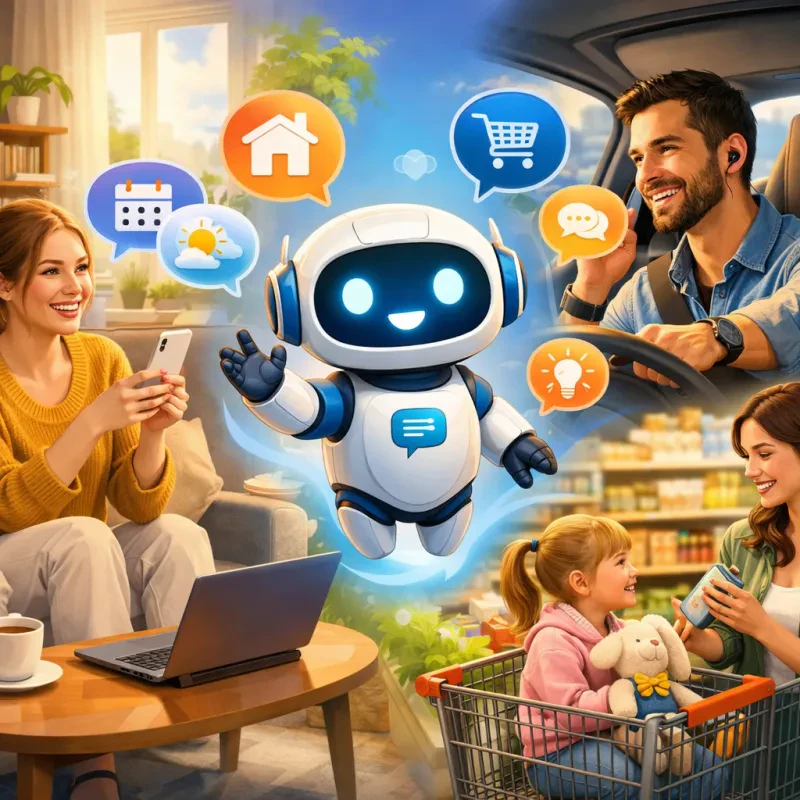
Artificial intelligence is everywhere in our daily lives, sometimes in ways we don’t even notice. When you ask Alexa or Siri about the weather, you're diving into the world of AI. These voice assistants use AI to understand your questions and provide answers in real-time. It’s like having a helpful friend on standby, ready to chat whenever you need.
Ever used Netflix or Spotify? Those recommendation engines are powered by AI, too! They pick what you might like based on what you’ve watched or listened to before. It’s all about making your experience better, ensuring you find new favorites without sifting through tons of options.
Another cool example of AI is in online shopping. When you visit sites like Amazon, AI analyzes your past purchases and browsing behavior to show you products you're likely to love. So, the next time you see “customers also bought,” remember, that’s AI working to make your shopping experience smoother.
Even social media taps into AI. Platforms like Facebook and Instagram use it to show you posts and ads that match your interests. It helps keep your feed engaging and relevant, which is why scrolling can feel so addictive!
Where Artificial Intelligence Actually Helps in Daily Life
Artificial Intelligence, or AI, is more than just a tech buzzword. It’s transforming how we live and work. So, what is artificial intelligence? It's about machines that can think and learn like humans, making our lives easier in loads of ways.
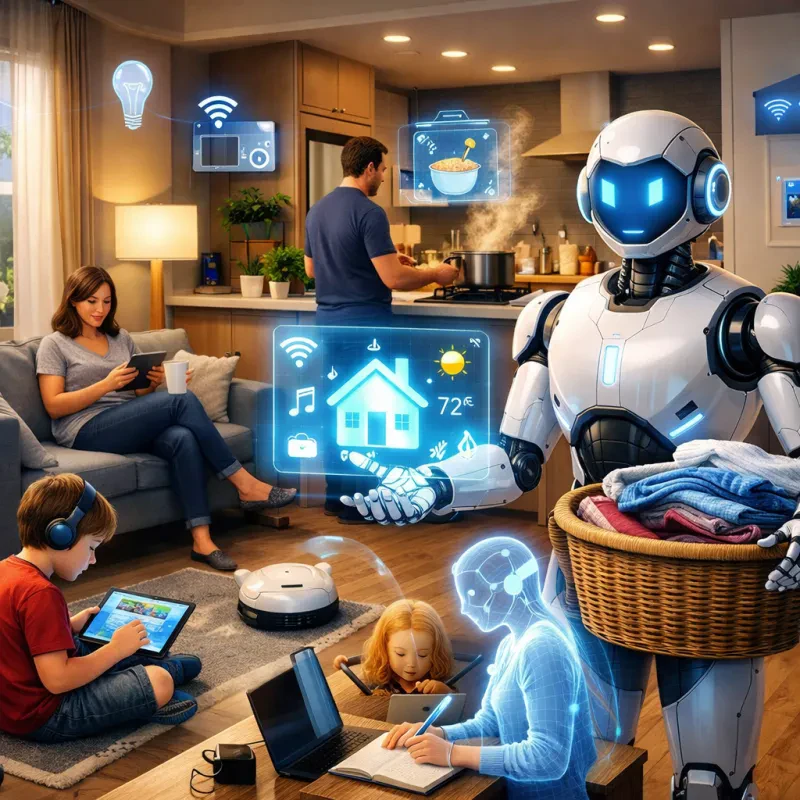
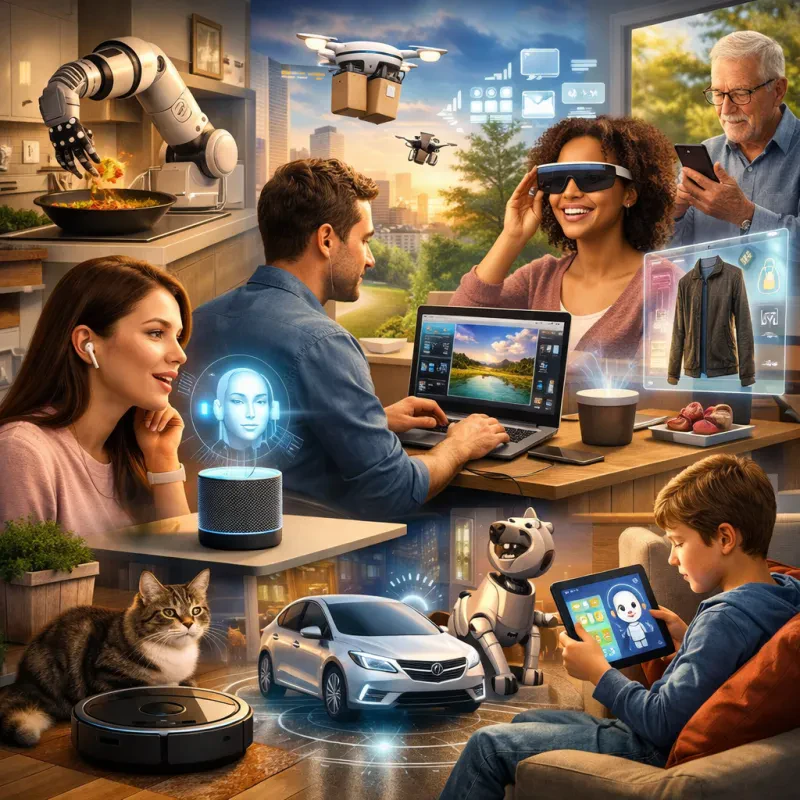
One big benefit of using artificial intelligence is automation. Imagine your kitchen robot whipping up dinner while you relax. With AI, you can automate routine tasks, saving you time and effort. Whether it’s scheduling appointments or sorting through emails, AI tools handle the tedious stuff, letting you focus on what really matters.
Another perk is how AI helps with decision-making. With all the data available today, making sense of it all can be tough. AI tools process huge amounts of information quickly and provide insights that help you make smarter choices. Think about it: whether you're a business owner or just trying to pick a new movie to watch, having an AI buddy can guide you in the right direction.
AI also boosts personalization. It learns from your preferences and tailors recommendations just for you. When you’re shopping online, for example, AI suggests items based on what you’ve looked at before. This creates a smoother shopping experience and makes it easier to find what you really want.
In short, using artificial intelligence simplifies everyday tasks, enhances decision-making, and creates personalized experiences. If you're still wondering what is artificial intelligence and why it matters, it's all about making life easier, smarter, and way more fun!
What Artificial Intelligence Cannot Do (and Why People Misunderstand It)
Artificial intelligence sounds powerful, and in many ways it is. But it also has very real limits.
AI does not actually understand information the way a person does. It does not have common sense, emotions, or awareness. It does not know whether something is true — it only predicts what response is most likely based on patterns it learned from data.
That’s why AI systems can sometimes sound confident while being wrong. They are not lying, and they are not thinking. They are generating responses based on probability.
AI also cannot replace human judgment in many real-world situations. A doctor still has to interpret a diagnosis. A business owner still has to make decisions. A teacher still has to understand a student. AI can assist people, but it cannot take responsibility.
Much of the fear around artificial intelligence comes from misunderstanding what it actually does. When you realize AI is a powerful tool rather than an independent mind, it becomes less intimidating and much more useful.
The real value of AI isn’t replacing people — it’s helping people work faster, learn quicker, and handle repetitive tasks so they can focus on what humans do best: reasoning, creativity, and relationships.